Tag: personal training in West Jefferson

  • Why Cardio Is Important For Fat Loss!

    Why Cardio Is Important For Fat Loss!

    Steady-state cardio, often referred to as moderate-intensity continuous training, plays a crucial role in fat loss for several reasons. Incorporating steady-state cardio into your fitness routine can be an effective strategy to enhance your overall fat loss efforts. Here are some key reasons why steady-state cardio is important for fat loss:

    1. Caloric Expenditure:

      • Steady-state cardio helps increase the number of calories burned during a workout. By engaging in a sustained, moderate-intensity activity such as jogging, cycling, or brisk walking, you elevate your heart rate and sustain it for an extended period. This prolonged effort results in a higher calorie expenditure, contributing to the overall energy deficit necessary for fat loss.
    2. Fat Oxidation:

      • During steady-state cardio, your body relies primarily on fat as a fuel source. This is particularly true during longer durations of moderate-intensity exercise. The increased demand for energy encourages the body to tap into its fat stores for fuel, promoting fat oxidation and supporting the breakdown of stored fat for energy.
    3. Improved Cardiovascular Health:

      • Steady-state cardio has benefits beyond fat loss; it also enhances cardiovascular health. Regular moderate-intensity exercise improves heart health, lowers blood pressure, and enhances circulation. A healthy cardiovascular system is essential for efficient nutrient delivery and utilization, contributing to overall metabolic health.
    4. Sustainability:

      • Unlike high-intensity interval training (HIIT), which involves short bursts of intense activity, steady-state cardio is often more sustainable for longer durations. This makes it an accessible option for individuals at various fitness levels and can be incorporated into a consistent exercise routine, promoting adherence and long-term fat loss success.
    5. Consistency and Routine:

      • Steady-state cardio is conducive to establishing a routine. Incorporating regular, moderate-intensity workouts into your schedule helps create a consistent exercise habit. Consistency is key in achieving and maintaining fat loss goals over time.
    6. Stress Reduction:

      • Steady-state cardio has been associated with stress reduction and improved mood. Lowering stress levels is beneficial for overall health and can contribute to a positive mindset, making it easier to adhere to healthy lifestyle choices, including dietary changes.

    While steady-state cardio is an important component of a comprehensive fat loss program, it’s essential to combine it with a well-balanced diet, strength training, and other healthy lifestyle practices for optimal results. Each individual’s fitness journey is unique, so finding a balance of exercises that align with personal preferences and goals is key to long-term success.


    Need help with you workout and nutrition program? Fill out the form below and I’ll be in touch. If you’re in West Jefferson, NC or Boone, NC and are interested in personal training just fill out the form and I’ll be in touch. 


    Schedule Your Free Consultation
  • 5 tips if you’re trying to lose weight!

    5 tips if you’re trying to lose weight!

    If you’re trying to lose weight, weekends can be a critical time to maintain your momentum. Here are five tips to help you stay on track:

    1. Plan Ahead for Meals and Snacks:

      • Take some time at the start of the weekend to plan your meals and snacks.
      • Choose nutritious, portion-controlled options that align with your weight loss goals.
      • Preparing healthy meals in advance can help you avoid spontaneous, less healthy choices.
    2. Stay Active:

      • Incorporate physical activity into your weekend routine.
      • Aim for at least 30 minutes of moderate to vigorous exercise each day.
      • Consider trying new activities like hiking, cycling, or exploring your local area on foot.
    3. Practice Portion Control:

      • Be mindful of portion sizes, especially when eating out or indulging in treats.
      • Use smaller plates and utensils to help control portion sizes at home.
      • Pay attention to hunger and fullness cues, stopping when you feel satisfied rather than overly full.
    4. Limit Alcohol and Sugary Drinks:

      • Alcohol and sugary beverages can contribute a significant number of calories without providing much nutritional value.
      • Opt for water, herbal tea, or other low-calorie drinks instead.
      • If you choose to drink alcohol, do so in moderation and be mindful of your intake.
    5. Manage Stress and Sleep:

      • Prioritize relaxation and stress management techniques such as meditation, deep breathing, or spending time in nature.
      • Aim for adequate sleep, as insufficient sleep can disrupt appetite-regulating hormones and increase cravings for unhealthy foods.
      • Create a bedtime routine and aim for 7-9 hours of quality sleep each night.

    By focusing on planning, staying active, controlling portions, limiting calorie-dense beverages, and managing stress and sleep, you can support your weight loss efforts and stay on track during the weekend.


    If you’re in West Jefferson, NC or Boone, NC and are interested in personal training or online training please use the form below to schedule a free consultation!

  • 3 Reasons Consistency Matters!

    3 Reasons Consistency Matters!

    3 Reasons Why Consistency Matters!

    Consistency is key in almost every aspect of life, especially when it comes to fitness and nutrition. Here are three important things to understand about consistency:

    1. Building Habits: Consistency is essential for forming habits. By repeatedly engaging in a behavior, whether it’s sticking to a workout routine or making healthy food choices, you reinforce neural pathways in your brain that make the behavior more automatic over time. Consistently practicing healthy habits leads to long-term behavior change and lasting results.

    2. Progress Over Perfection: Consistency doesn’t mean perfection. It’s about showing up and putting in effort consistently, even on days when motivation is low or obstacles arise. Progress is often nonlinear, and setbacks are a natural part of the journey. What matters most is consistently moving forward, learning from challenges, and staying committed to your goals.

    3. Compound Effect: Consistency compounds over time to produce significant results. Small, seemingly insignificant actions done consistently can lead to profound changes over weeks, months, and years. Whether it’s adding an extra serving of vegetables to your meals each day or completing a short workout regularly, the cumulative impact of these efforts adds up to substantial improvements in your health, fitness, and overall well-being.

    By prioritizing consistency in your fitness and nutrition efforts, you set yourself up for long-term success and sustainable lifestyle change.


    If you’re in West Jefferson or Boone, NC and need help with your fitness routine please fill out the form below. If you’re intrested in online training fill out the form and we can set-up a call. 

    Schedule Your Free Consultation
  • 5 Ways to Stick To Your Fitness Plan During The Holidays

    5 Ways to Stick To Your Fitness Plan During The Holidays

    Staying committed to a fitness and diet plan during the holidays can be challenging, but these strategies can help you stay on track:

    1. Plan Ahead: Schedule your workouts and plan your meals in advance. Set specific times for exercise and try to stick to them as much as possible. Similarly, plan your holiday meals by incorporating healthier options and portion control.

    2. Mindful Eating: Enjoy your favorite holiday treats in moderation. Practice mindful eating by paying attention to portion sizes, savoring each bite, and being conscious of when you’re full. This can help prevent overeating and feeling guilty afterward.

    3. Stay Active: Find creative ways to stay active during the holidays. Take family walks after meals, engage in winter activities like ice skating or skiing, or incorporate quick home workouts to keep your body moving.

    4. Accountability Partner or Group: Share your fitness goals with a friend, family member, or join a support group. Having someone to hold you accountable and provide encouragement can help you stay motivated.

    5. Flexibility and Forgiveness: Understand that perfection isn’t necessary. If you deviate from your plan or indulge a bit more than intended, don’t be too hard on yourself. Acknowledge it, learn from it, and get back on track without letting guilt derail your progress.

    Remember, the holidays are a time to enjoy and celebrate, so finding a balance between staying committed to your health goals and enjoying the festivities is key.

    Schedule Your Free Consultation
  • 3 Reasons To Use a Concept 2 Rower

    3 Reasons To Use a Concept 2 Rower

    The Concept 2 rower is a popular piece of exercise equipment for a variety of reasons, and here are the top three reasons to use one:

    1. Full-Body Workout: The Concept 2 rower provides a highly effective full-body workout. It engages multiple muscle groups, including the legs, back, core, and arms. This comprehensive workout helps improve strength and endurance throughout your body.

    2. Low-Impact Exercise: Rowing is a low-impact exercise, which means it puts minimal stress on your joints compared to high-impact activities like running. This makes it an excellent choice for people of all fitness levels and ages, and it’s particularly beneficial for those with joint issues or recovering from injuries.

    3. Cardiovascular Fitness: Rowing is an excellent way to improve cardiovascular fitness. It can help you increase your heart rate, improve lung capacity, and enhance overall cardiovascular health. Consistent rowing workouts can assist in weight management, reduce the risk of heart disease, and boost your endurance.

    In addition to these three reasons, the Concept 2 rower is known for its durability, accuracy in tracking performance metrics, and versatility as a piece of exercise equipment. It can be used for various training goals, from intense interval workouts to steady-state cardio, making it a valuable addition to any fitness routine.

    If you need help learning to row or would like to know how best to add rowing to your routine fill out the form below.

    Schedule Your Free Consultation
  • 3 Reasons to Take Walk Breaks During A Run.

    3 Reasons to Take Walk Breaks During A Run.

    Taking walk breaks during a run, especially for beginners or those working on endurance, can offer several benefits:

    1. Rest and Recovery: Walk breaks allow your body to recover during a run. Running can be physically demanding, and taking short walk breaks can help reduce the accumulation of fatigue, allowing you to extend your overall workout duration. This can be especially important for beginners who may not have built up the stamina for continuous running.

    2. Injury Prevention: Walk breaks can help reduce the risk of injury, particularly for individuals who are new to running or prone to overuse injuries. By alternating between running and walking, you can give your muscles and joints a chance to rest and recover, reducing the strain on them and lowering the risk of overuse injuries like shin splints or stress fractures.

    3. Improved Endurance and Mental Toughness: Incorporating walk breaks can help build endurance gradually. It allows you to push your limits by extending the total time or distance you spend on your feet. Additionally, it can boost your mental toughness by breaking down a long run into manageable segments. This psychological benefit can be particularly helpful during races or when working towards longer-distance goals.

    Ultimately, whether or not to take walk breaks during a run depends on your fitness level, goals, and personal preferences. Some runners prefer continuous running for the challenge it offers, while others find walk breaks to be an effective strategy for improving their overall performance and enjoyment of running.

    Schedule Your Free Consultation
  • 4 Reasons to Wear a Fitness Tracker or Smart Watch

    4 Reasons to Wear a Fitness Tracker or Smart Watch

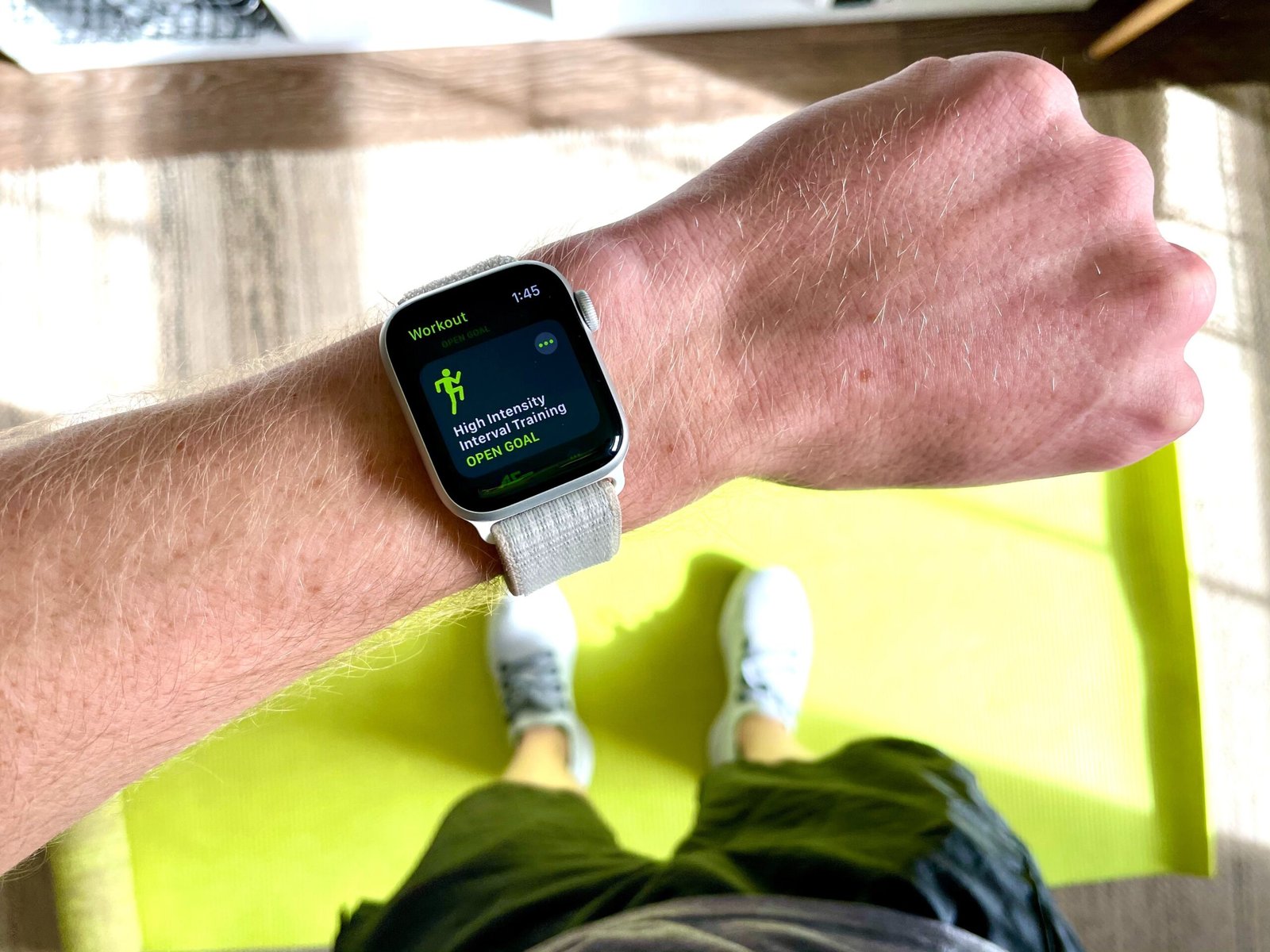
    Fitness trackers have become increasingly popular in recent years for good reason. Here are the top four reasons why wearing a fitness tracker can be beneficial:

    1. Activity Monitoring: Fitness trackers help you keep track of your daily physical activity. They count your steps, distance traveled, and calories burned. This information can serve as a motivational tool to encourage you to move more and meet your daily activity goals. By monitoring your activity levels, you can make informed decisions about your fitness routine and lifestyle.

    2. Heart Rate Monitoring: Many fitness trackers are equipped with heart rate sensors that can continuously monitor your heart rate throughout the day and during exercise. This data can provide valuable insights into your cardiovascular health and help you optimize your workouts. You can also use it to gauge your stress levels and recovery after intense physical activity.

    3. Sleep Tracking: Quality sleep is crucial for overall health and well-being. Fitness trackers often come with sleep tracking features that monitor your sleep patterns, including the duration and quality of your sleep cycles. By analyzing this data, you can identify areas for improvement in your sleep habits and make adjustments to get better rest.

    4. Goal Setting and Accountability: Fitness trackers allow you to set specific fitness goals and track your progress toward achieving them. Whether your goal is to lose weight, run a certain distance, or achieve a target heart rate during workouts, a fitness tracker can help you stay accountable by providing real-time feedback and historical data. This accountability can boost your motivation and adherence to your fitness regimen.

    In addition to these primary reasons, some fitness trackers offer additional features like GPS tracking, smart notifications, and compatibility with other health and fitness apps, making them versatile tools for maintaining a healthy and active lifestyle. Ultimately, the choice to wear a fitness tracker depends on your personal fitness goals and preferences, but they can be valuable devices for promoting a more active and health-conscious lifestyle.


    PS….If you’re interested in personal training in West Jefferson or Boone, NC fill out the form below to set-up a free consultation. 


    Schedule Your Free Consultation
  • 3 Reasons to Stay Hydrated During Workouts!

    3 Reasons to Stay Hydrated During Workouts!

    Staying hydrated during workouts is essential for maintaining overall health and optimizing your exercise performance. Here are the top three reasons why you should prioritize hydration during workouts:

    1. Optimal Physical Performance: Proper hydration is critical for maintaining your physical performance during exercise. When you’re well-hydrated, your muscles and joints function more efficiently, and you have better strength, endurance, and power. Dehydration can lead to early fatigue, muscle cramps, and decreased coordination, all of which can hinder your ability to work out effectively.

    2. Temperature Regulation: During exercise, your body generates heat, which needs to be dissipated to prevent overheating. Sweating is the body’s natural cooling mechanism, but if you’re dehydrated, your ability to sweat effectively can be compromised. This can lead to an increased risk of heat-related illnesses, such as heat exhaustion or heatstroke. Staying hydrated helps regulate your body temperature and keeps you safe during intense workouts, especially in hot and humid conditions.

    3. Recovery and Muscle Function: Hydration plays a crucial role in the recovery process. After a workout, your body needs to repair muscle tissue, remove waste products, and replenish glycogen stores. Adequate hydration supports these processes by ensuring that nutrients are transported to your muscles efficiently. Additionally, staying hydrated helps reduce the risk of muscle soreness and cramping post-workout, allowing for a quicker and more comfortable recovery.

    In summary, staying hydrated during workouts is essential for maintaining peak physical performance, preventing overheating, and supporting post-workout recovery. To ensure you’re adequately hydrated, drink water before, during, and after your exercise session and pay attention to your body’s thirst cues. The exact amount of water you need can vary based on factors like the intensity and duration of your workout, weather conditions, and individual differences, so it’s important to listen to your body and adjust your fluid intake accordingly.

    Schedule Your Free Consultation
  • 3 Tips to Lose Body Fat!

    3 Tips to Lose Body Fat!

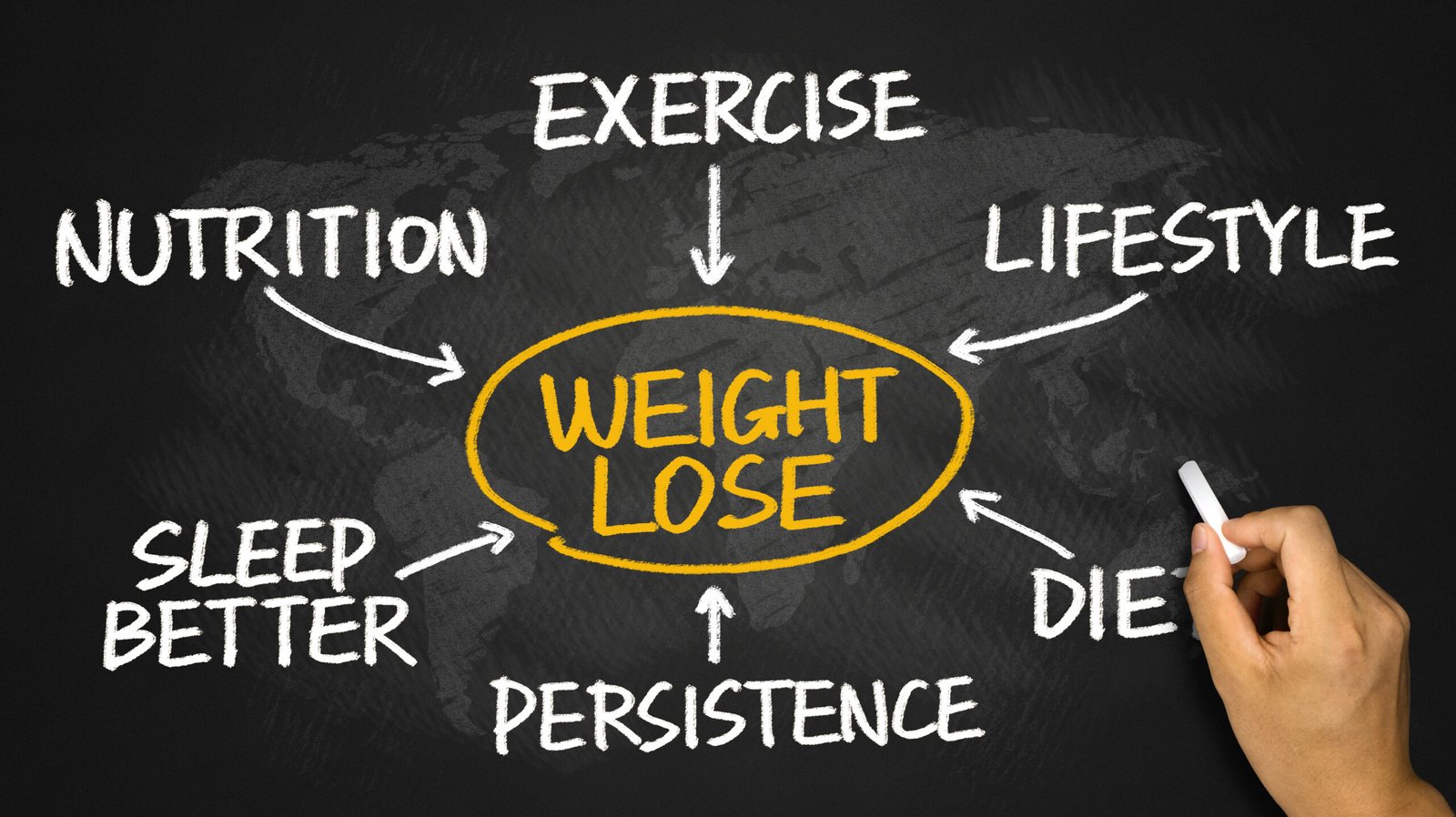
    Effective fat loss involves a combination of a balanced diet, regular physical activity, and lifestyle changes. Here are the three fat loss tips:

    1. Maintain a Calorie Deficit: Fat loss ultimately comes down to consuming fewer calories than you burn. To create a calorie deficit, you can either eat fewer calories or increase your physical activity to burn more calories. A sustainable approach is to combine both strategies. Calculate your daily calorie needs and aim to consume slightly fewer calories than that to steadily lose weight. However, avoid extreme calorie restriction, as it can be unsustainable and harmful in the long term.

    2. Prioritize Whole Foods: Focus on a diet rich in whole, nutrient-dense foods like lean proteins, fruits, vegetables, whole grains, and healthy fats. These foods are more filling and provide essential nutrients, making it easier to control your calorie intake. Minimize processed foods, sugary drinks, and high-calorie, low-nutrient items. Be mindful of portion sizes to prevent overeating.

    3. Incorporate Strength Training: While cardiovascular exercise is beneficial for burning calories, strength training is crucial for preserving lean muscle mass and boosting your metabolism. As you lose weight, you want to ensure that you’re primarily shedding fat, not muscle. Strength training exercises, like weightlifting or bodyweight exercises, help with this. Muscle tissue burns more calories at rest than fat, so having more muscle can make it easier to maintain your weight loss.

    Additionally, consider these tips to support your fat loss journey:

    • Stay hydrated: Drinking enough water can help control hunger and support your metabolism.
    • Get enough sleep: Inadequate sleep can disrupt hormones that regulate appetite and increase cravings for unhealthy foods.
    • Manage stress: Chronic stress can lead to emotional eating and hinder fat loss efforts. Practice stress-reduction techniques like meditation or yoga.
    • Set realistic goals: Aim for gradual, sustainable fat loss, typically around 1-2 pounds per week. Rapid weight loss can lead to muscle loss and may not be sustainable in the long run.

    Remember that fat loss is a gradual process, and there are no shortcuts to lasting results. It’s important to consult with a healthcare professional or a registered dietitian before making significant changes to your diet or exercise routine, especially if you have any underlying health conditions. They can help tailor a plan that is safe and effective for your individual needs.


    If you’d like help designing a workout tailored to your personal goals just fill out the form below.